Harness the power of the sun to generate your own clean electricity, drastically reducing your utility bills and lowering your carbon footprint for decades to come.
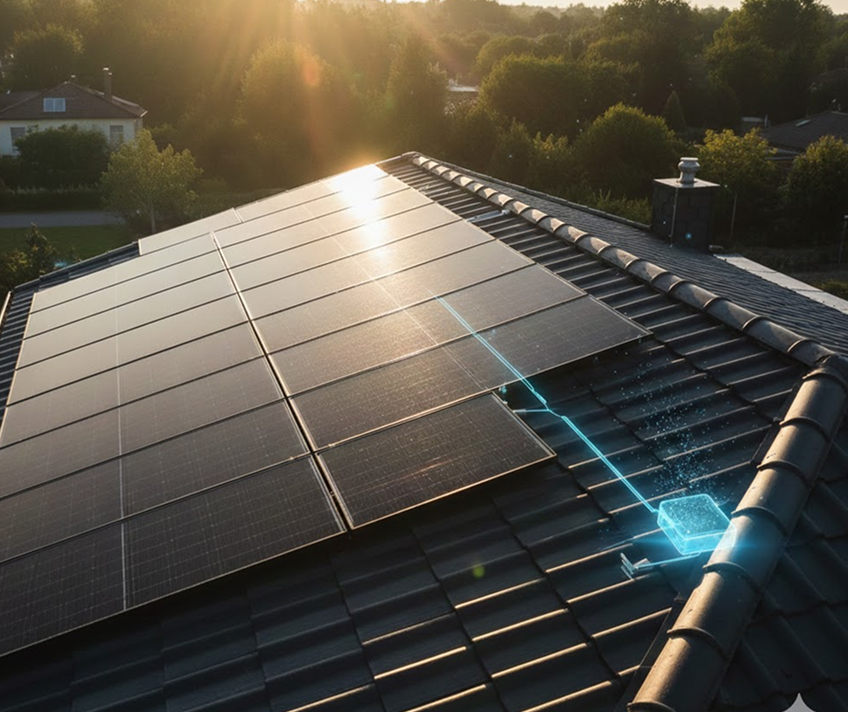
Solar PV systems convert daylight into electricity using photovoltaic cells. Even on cloudy days, panels continue generating power making solar a reliable, low-maintenance energy solution for Irish homes and businesses.
Capture
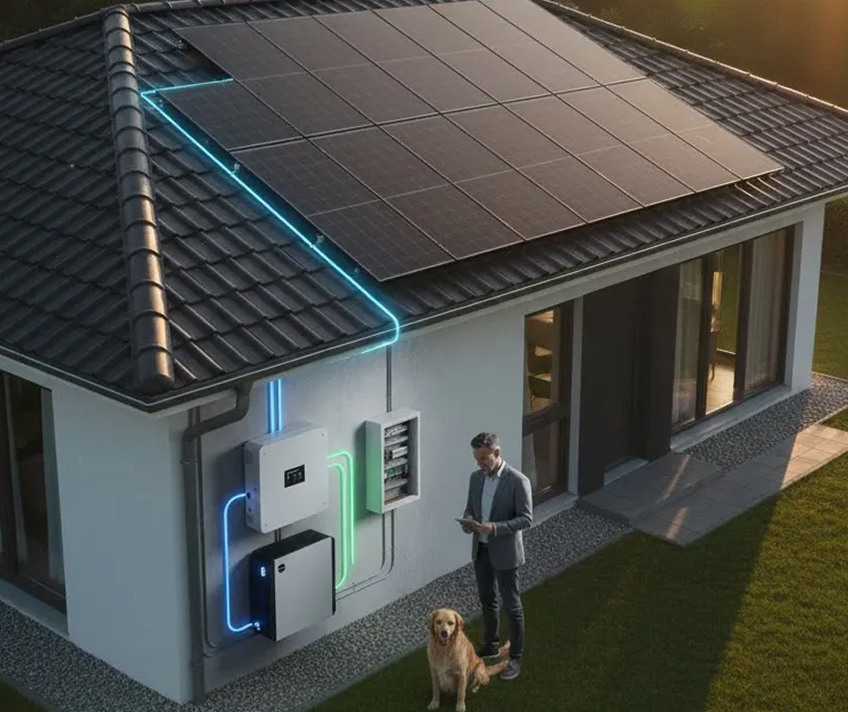
Panels capture daylight and convert it into DC electricity.
Power
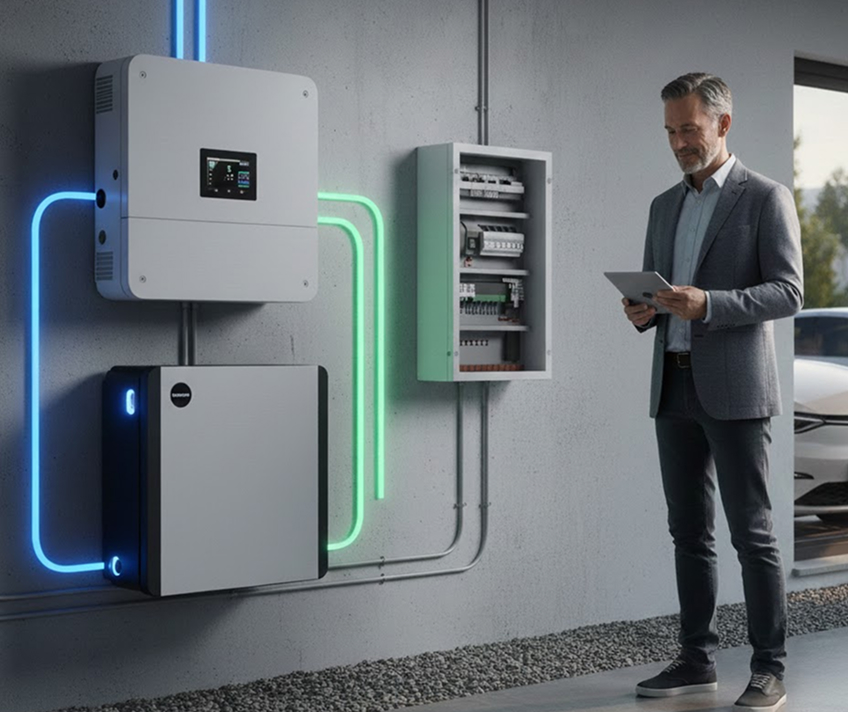
Inverter converts DC to AC electricity to power your home.
Store & Export
Excess energy is stored in batteries or sent back to the grid for payment.
Why Choose Solar PV?
Benefits of Solar PV for Agricultural
Lower Electricity Bills
Solar panels significantly lower monthly energy costs.
Eco-Friendly Energy
Reduce your carbon footprint and support a more sustainable future.
Low Maintenance
Once installed, solar panels require minimal upkeep.
Energy Independence
Reduce reliance on grid electricity and avoid energy price fluctuations.
Works in Irish Weather
Work even on cloudy days, making them perfect for Ireland’s climate.
Battery Storage Ready
Use stored energy when the sun goes down.
Government Incentives
Take advantage of grants and incentives for solar panel installation.
Long-Term Investment
Solar panels increase property value and offer long term savings.
TAMS 3 – Solar for Farms
Under the Government’s Targeted Agricultural Modernisation Scheme 3 (TAMS 3), eligible farmers can receive up to 60% grant aid for solar PV installations, with a maximum funding limit of €90,000.
Grant Aid
Up to 60%
Max funding limit of
€90,000
Support
Installation & Compliance
Total Potential Grant Support: €1,800
Encon is an SEAI registered contractor, ready to manage your project and help you claim your grant with ease.
Your Solar PV Questions Answered
What is the lifespan of a solar PV system?
Most solar panels last 25–30 years. Inverters may need replacing after 10–15 years. We only use high quality, warrantied components.
How many solar panels do I need for my home?
It depends on your energy usage and roof space. Most homes use 10–14 panels (4–6kWp systems) to meet typical household demand.
Can I sell excess electricity back to the grid?
The Microgeneration Support Scheme (MSS) allows homeowners to earn credit and commercial properties to receive payments for surplus electricity exported to the grid.
What is a solar inverter and do I need one?
Yes, all solar PV systems need an inverter. It converts the electricity from DC (generated by panels) to AC (used in your home).
Do I need a battery with my solar PV system?
Batteries aren’t required but can store excess energy for use at night, further reducing grid usage and increasing savings.
What is the payback period for a solar PV system?
With SEAI grants and reduced energy bills, most homeowners see a return on investment within 5 to 7 years and in commercial settings, it can be as little as 2 years.
What is a kilowatt peak (kWp)?
Kilowatt peak (kWp) is the maximum output a solar system can produce under ideal conditions. A 4kWp system can generate about 3,000–4,000 kWh per year in Ireland.
What maintenance is required for solar panels?
Requiring minimal upkeep, solar panels mainly need routine cleaning and annual inspections for optimal performance.
Will solar panels work during a power outage?
Standard systems shut down for safety during outages. A battery system or backup inverter can provide power during a blackout.
Will installing solar panels damage my roof?
No. Our experienced installers ensure safe mounting that won’t harm your roof. In fact, panels can help protect roofing materials from wear.
Can I install solar panels on a flat roof or ground?
Yes. We offer mounting systems for flat roofs and ground arrays. We’ll advise on the best option based on your space and orientation.
Will solar panels increase my property value?
Yes. They enhance property value by offering energy savings and environmental benefits, while also improving BER ratings, making homes more attractive on the market.
Are there planning permission requirements in Ireland?
Planning permission is not required for most domestic solar PV systems, thanks to updated regulations from October 2022. This includes roof mounted panels, provided they meet size and positioning guidelines. However, permission may still be needed for protected structures, conservation areas, or large ground mounted systems. We’ll advise if your system requires it.
Ready to Reduce Your Energy Bills?
Discover how much you could save, what grants you qualify for, and how quickly your system can pay for itself.